2025-11-30 20:01:10
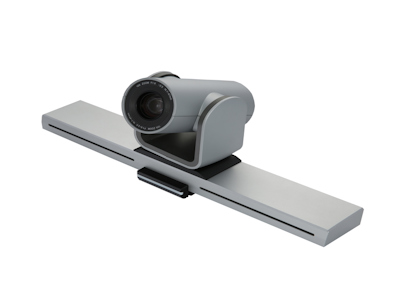
В современном мире, где удалённая работа и цифровые коммуникации стали неотъемлемой частью повседневной жизни, видеоконференции заняли центральное место в бизнесе, образовании и личных взаимодействиях. Однако, несмотря на стремительное развитие технологий, многие пользователи сталкиваются с проблемами качества звука и видео, которые могут серьёзно затруднить общение. Именно здесь на сцену выходит инновационное решение — камеры со встроенными динамиками. Эта технология не просто улучшает отдельные аспекты видеозвонков, а совершает настоящую революцию, переопределяя то, как мы общаемся на расстоянии. В этой статье мы глубоко погрузимся в тему, рассмотрим историю развития, технические детали, преимущества, вызовы и будущее этой прорывной инновации.
Видеоконференции берут своё начало в 1960-х годах, с появлением первых экспериментальных систем, которые были громоздкими, дорогими и доступными лишь крупным корпорациям. В те времена камеры и микрофоны были отдельными устройствами, требующими сложной настройки и профессионального обслуживания. С развитием интернета и цифровых технологий в 1990-х и 2000-х годах видеоконференции стали более распространёнными, но всё ещё оставались нишевым продуктом из-за высоких затрат и технических ограничений.
Прорыв произошёл в 2010-х годах с массовым распространением смартфонов и веб-камер, которые сделали видеозвонки доступными для широкой аудитории. Такие платформы, как Skype, Zoom и Microsoft Teams, стали household names, но даже они не решали фундаментальную проблему: необходимость в отдельных динамиках и микрофонах для качественного звука. Пользователям приходилось подключать внешние устройства, что увеличивало сложность setup, создавало беспорядок на рабочем столе и часто приводило к техническим сбоям, таким как эхо, фоновый шум или задержки звука.
Идея интеграции динамика прямо в камеру начала зарождаться как ответ на эти вызовы. Первые попытки были скромными — например, в некоторых веб-камерах начального уровня добавляли basic speakers, но они страдали от плохого качества звука и ограниченной функциональности. Однако с advancements в микроэлектронике и обработке сигналов, производители смогли создать compact, high-performance решения. К середине 2020-х годов камеры со встроенными динамиками стали появляться как премиум-продукты, предлагая seamless experience для видеоконференций. Это был не просто evolutionary шаг, а revolutionary скачок, который изменил парадигму — от «собирай сам» к «всё в одном».
Чтобы понять, почему встроенный динамик в камере — это революция, важно разобраться в технических деталях. Современные камеры с этой функцией объединяют несколько ключевых компонентов: высококачественный объектив для video capture, advanced microphone array для записи звука, и integrated speaker для output. Всё это управляется sophisticated DSP (Digital Signal Processing) chips, которые обрабатывают audio и video signals в реальном времени.
Звуковая часть часто включает noise-cancellation технологии, такие как алгоритмы подавления эха и фонового шума. Например, многие модели используют beamforming microphones, которые фокусируются на голосе пользователя, игнорируя окружающие sounds. Динамики designed to provide clear, balanced audio с минимумом искажений, даже на high volumes. Кроме того, software integration позволяет автоматически регулировать громкость based on ambient noise, ensuring что голоса всегда слышны чётко.
С точки зрения connectivity, эти камеры обычно поддерживают USB-C, Wi-Fi, или Bluetooth, making them compatible с широким range устройств — от ноутбуков и смартфонов до conference room systems. Energy efficiency также улучшена, с low-power modes для prolonged use без перегрева. В целом, technical sophistication делает эти устройства не просто accessory, а central hub для digital communication.
Встроенный динамик в камере offers myriad benefits across different domains. Для бизнеса, это означает enhanced productivity и reduced costs. Traditionally, companies had to invest in separate audio equipment for conference rooms, which could be expensive and require IT support. With all-in-one cameras, setup becomes plug-and-play, saving time and resources. Meetings run more smoothly with crystal-clear audio, reducing misunderstandings and improving collaboration. In fact, studies show that poor audio quality can lead to up to 30% loss in meeting effectiveness — a problem that integrated solutions directly address.
For remote workers and individuals, the convenience is unparalleled. No more fumbling with external speakers or dealing with tangled cables. The compact design fits perfectly on desktops or mounts on monitors, making it ideal for home offices or small spaces. Additionally, these cameras often come with features like auto-framing and background blur, further enhancing the video conferencing experience. On a personal level, they make virtual family gatherings or online classes more engaging and enjoyable, as everyone can hear and be heard without technical hiccups.
Moreover, accessibility improves significantly. People with hearing impairments benefit from clearer sound, and the integration with assistive technologies can provide real-time captions or translations. This inclusivity aspect is a crucial part of the revolution, making digital communication more equitable for all.
Despite the advancements, integrated camera speakers are not without challenges. One primary concern is audio quality compared to dedicated high-end speakers. While good for speech, they may lack the depth and richness needed for music or multimedia presentations. Size constraints limit the speaker's driver size, which can affect bass response and overall volume. However, ongoing innovations in acoustic engineering are narrowing this gap, with some models offering surprisingly robust sound.
Another issue is cost. Premium cameras with high-quality integrated speakers tend to be more expensive than basic webcams, which might deter budget-conscious consumers. But when considering the total cost of ownership — including savings on separate audio devices — the investment often pays off in the long run.
Compatibility can also be a hurdle. Not all software or platforms may fully utilize the advanced features of these cameras, requiring updates or specific drivers. Nevertheless, as the technology becomes mainstream, ecosystem support is rapidly improving.
The future of integrated camera speakers is bright and filled with potential. We can expect further miniaturization and enhancement of audio quality, perhaps incorporating technologies like spatial audio for a more immersive experience. AI integration will play a bigger role, with smart cameras that can automatically adjust settings based on the environment or even detect emotions through voice tone.
In the broader context, this revolution is part of the shift towards seamless, ubiquitous computing. As 5G and IoT (Internet of Things) expand, these cameras could become central nodes in smart homes and offices, interacting with other devices for a fully connected ecosystem. For instance, imagine a camera that not only handles video calls but also controls lighting or alerts you to noises in another room.
Ultimately, the built-in speaker camera is more than a gadget; it's a catalyst for redefining human interaction in the digital age. By eliminating barriers to communication, it empowers people to connect, collaborate, and create without boundaries.
В заключение, встроенный динамик в камере представляет собой не просто technological upgrade, а фундаментальную революцию в видеоконференциях. Он addresses long-standing pain points, offering simplicity, quality, and accessibility that were previously unattainable. As we move forward, adopting such innovations will be key to thriving in an increasingly remote and digital world. Whether for business or pleasure, this technology is set to become a standard, transforming how we see and hear each other across distances.
Embrace the revolution — the future of communication is here, and it sounds better than ever.
Shenzhen Oneking Technologies Co., Ltd.
Контактные лица:Shawn
Телефон:1388xx888xx / 1388xx888xx
Адрес:Floor 5, Building 7, (At Gushu Intersection) Rundongsheng Industrial Zone, No. 467, Xixiang Section, 107 National Road, Longteng Community, Xixiang Street, Shenzhen, Guangdong, China