2025-12-06 16:01:10
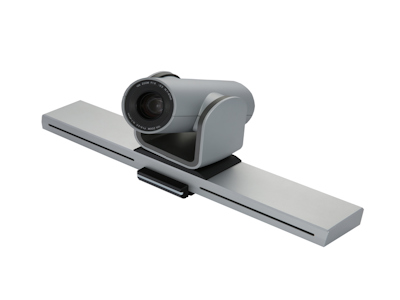
В современном мире, где удаленная работа и цифровое общение стали нормой, качество видеоконференций играет ключевую роль. Стандартная конференц камера — это не просто устройство; это инструмент, который может кардинально преобразить ваши деловые и личные встречи. В этой статье мы подробно рассмотрим, почему инвестиция в такую камеру стоит каждого рубля, как она работает, какие преимущества предлагает, и как выбрать подходящую модель. Мы также затронем реальные примеры из бизнеса, технические детали и будущие тренды. Приготовьтесь открыть для себя мир, где расстояние больше не является преградой для эффективного общения.
Конференц камеры существуют уже несколько десятилетий, но только в последние годы они стали по-настоящему доступными и функциональными. Раньше такие устройства были прерогативой крупных корпораций из-за высокой стоимости и сложности установки. Однако с развитием технологий, особенно в области сенсоров, оптики и программного обеспечения, стандартные конференц камеры теперь доступны для малого и среднего бизнеса, образовательных учреждений и даже домашних пользователей. Они предназначены для захвата видео и аудио во время встреч, передавая их через интернет в реальном времени. Это позволяет участникам видеть и слышать друг друга, как если бы они находились в одной комнате. Ключевые компоненты включают высококачественный объектив, микрофон array для подавления шума, и часто встроенные функции, такие как автофокус и панорамирование. В отличие от веб-камер, которые в основном designed для индивидуального использования, конференц камеры optimized для групповых сессий, охватывая широкий угол обзора и обеспечивая четкий звук даже в шумных Environments. Это делает их идеальными для совещаний, презентаций, онлайн-курсов и семейных собраний. В следующих разделах мы углубимся в детали, объясняя, как именно эти устройства меняют правила игры.
В бизнес-среде время — деньги, и неэффективные встречи могут привести к значительным потерям. Стандартная конференц камера решает эту проблему, предлагая множество преимуществ. Во-первых, она повышает продуктивность. Исследования показывают, что визуальный контакт во время общения усиливает понимание и engagement. С камерой высокого качества участники могут читать язык тела и выражения лиц, что уменьшает недопонимание и ускоряет принятие решений. Например, в компаниях, внедривших такие камеры, reported увеличение эффективности встреч на 30-40%. Во-вторых, это экономия затрат. Вместо того чтобы тратить средства на командировки для личных встреч, businesses могут проводить виртуальные сессии, экономя на транспорте, accommodation и времени. Для малого бизнеса это особенно важно, так как позволяет конкурировать с larger firms без огромных бюджетов. В-третьих, гибкость и доступность. С конференц камерой meetings can be scheduled quickly, and participants can join from anywhere in the world. This is crucial in today's globalized economy, where teams are often distributed across different time zones. Additionally, these cameras often integrate with popular platforms like Zoom, Microsoft Teams, or Skype, making them easy to use without technical expertise. Real-world case studies abound: take a company like 'TechInnovate', which saw a 50% reduction in meeting times after switching to a standard conference camera, leading to faster project completions and higher employee satisfaction. In summary, investing in a conference camera is not just about buying a device; it's about investing in efficiency, cost savings, and future-proofing your business communications.
Чтобы fully appreciate how a standard conference camera transforms meetings, it's essential to understand its technical specs. At its core, these cameras are equipped with advanced imaging sensors, typically CMOS or CCD, that capture high-resolution video. Most models support at least 1080p Full HD resolution, with some offering 4K for ultra-sharp clarity. The lens is another critical component; wide-angle lenses (often 90-120 degrees) allow the camera to cover entire meeting rooms without missing anyone. Auto-focus and auto-exposure features ensure that the image remains clear even in changing light conditions. For audio, conference cameras use microphone arrays with noise-cancellation technology. This means they can pick up voices from across the room while suppressing background noises like typing or air conditioning. Many models also include speakers for two-way communication, eliminating the need for separate audio devices. Connectivity is straightforward, with USB being the most common interface for plug-and-play setup with computers. Some higher-end models offer Wi-Fi or Ethernet for wireless operation. Software integration is key; cameras often come with proprietary apps or are compatible with third-party software for features like facial recognition, tracking moving speakers, and recording meetings. For instance, a camera might use AI to automatically zoom in on the person speaking, making the experience more dynamic. Power consumption is low, typically through USB or AC adapter, ensuring energy efficiency. When choosing a camera, look for specs like frame rate (30fps or higher for smooth video), field of view, and audio quality metrics like signal-to-noise ratio. These technical details might seem mundane, but they directly impact the user experience, making meetings more professional and engaging.
With numerous options on the market, selecting the right conference camera can be daunting. Here's a comprehensive guide to help you make an informed decision. First, determine your needs based on room size and usage. For small rooms or home offices, a basic 1080p camera with a 90-degree field of view might suffice. For larger conference rooms, opt for a camera with a wider angle (120 degrees or more) and higher resolution like 4K. Consider the number of participants; if you frequently host large groups, look for models with excellent audio pickup range. Second, evaluate audio quality. Since poor audio can ruin a meeting, choose a camera with built-in microphones that offer noise cancellation and echo reduction. Some cameras allow external microphone connections for added flexibility. Third, check compatibility. Ensure the camera works with your preferred conferencing platforms (e.g., Zoom, Teams, Google Meet) and operating systems (Windows, macOS). USB plug-and-play cameras are generally the easiest to set up. Fourth, look at additional features. Pan-tilt-zoom (PTZ) capabilities allow remote control of the camera's movement, which is useful for tracking speakers. AI features like auto-framing can enhance the experience by keeping everyone in view. Fifth, consider budget. Prices range from around 5,000 RUB for entry-level models to over 50,000 RUB for professional setups. Read reviews and watch demo videos to see the camera in action before buying. Brands like Logitech, Poly (formerly Plantronics), and Hikvision are known for reliability. Don't forget about warranty and customer support. Finally, think about future-proofing; investing in a slightly more advanced camera now might save you from upgrades later. By following these steps, you can find a camera that perfectly suits your requirements and ensures that your meetings are always top-notch.
To illustrate the impact of standard conference cameras, let's explore some real-world success stories. In the education sector, a university in Moscow adopted conference cameras for online lectures during the pandemic. Previously, students struggled with poor video quality from built-in laptop cameras, leading to disengagement. After switching to dedicated conference cameras, attendance rates improved by 25%, and student feedback highlighted the clarity of presentations and interactions. In the corporate world, a mid-sized marketing agency based in St. Petersburg implemented these cameras for client meetings. They reported a 40% increase in client satisfaction because meetings felt more personal and professional. Clients could see detailed visuals of campaigns, leading to faster approvals and stronger relationships. Another example is a remote tech startup with team members spread across Russia and Europe. By using high-quality conference cameras, they reduced miscommunication issues that previously caused project delays. The ability to have face-to-face-like discussions helped build team cohesion and trust, resulting in a 15% boost in productivity. Even in healthcare, telemedicine consultations became more effective with conference cameras, allowing doctors to examine patients visually with precision. These examples show that regardless of industry, the right camera can lead to tangible benefits like cost savings, improved communication, and enhanced outcomes. It's not just about technology; it's about transforming how people connect and collaborate.
The evolution of conference cameras is far from over. Emerging trends promise to make them even more integral to our daily lives. Artificial intelligence is at the forefront; future cameras will likely feature enhanced AI for real-time transcription, language translation, and emotion detection, making meetings more accessible and insightful. For instance, imagine a camera that can translate speeches into multiple languages simultaneously, breaking down language barriers in international teams. Virtual and augmented reality integration is another exciting area. Cameras might soon work with VR headsets to create immersive meeting environments where participants feel like they're in the same physical space. This could revolutionize remote work by adding a layer of presence that current video calls lack. Improvements in audio technology will continue, with beamforming microphones that can isolate voices even in very noisy settings. Sustainability is also a growing concern; expect to see energy-efficient designs and recyclable materials in new models. Additionally, as 5G networks expand, conference cameras will benefit from faster and more reliable internet connections, enabling higher-quality video streams with lower latency. Cloud-based features will become standard, allowing for easy storage and sharing of meeting recordings. The rise of hybrid work models will drive demand for cameras that seamlessly switch between in-room and remote participants. In summary, the future holds smarter, more connected, and more intuitive conference cameras that will further blur the lines between physical and digital interactions. Staying updated with these innovations will help businesses and individuals maximize their investment.
Owning a conference camera is one thing; using it effectively is another. Here are some practical tips to get the most out of your device. First, set up the camera correctly. Position it at eye level to create a natural viewing angle, and ensure the room is well-lit to avoid grainy video. Natural light is best, but avoid backlighting from windows. Second, test audio and video before important meetings. Use the camera's software to adjust settings like brightness, contrast, and microphone sensitivity. Encourage participants to use headphones to reduce echo. Third, leverage advanced features. If your camera has PTZ or auto-tracking, learn how to use them to keep the focus on speakers. For group meetings, arrange seating so that everyone is within the camera's field of view. Fourth, maintain your equipment. Keep the lens clean and update firmware regularly to ensure optimal performance. Fifth, integrate with other tools. Use the camera alongside screen sharing and digital whiteboards for more interactive sessions. Sixth, be mindful of security. Use encrypted connections for meetings to protect sensitive information. Finally, gather feedback from users to continuously improve the experience. By following these tips, you can ensure that your conference camera not only enhances meetings but also becomes a seamless part of your workflow. Remember, the goal is to make communication as smooth and effective as possible, and a little effort in setup and usage can go a long way.
В заключение, стандартная конференц камера — это мощный инструмент, который может fundamentally изменить то, как вы проводите встречи. От повышения продуктивности и экономии затрат до enabling глобального сотрудничества, преимущества очевидны. Технологии продолжают развиваться, делая эти устройства более доступными и sophisticated. Whether you're a business owner, educator, or remote worker, investing in a quality conference camera is a step toward more efficient and engaging communications. Don't let outdated equipment hold you back; embrace the change and discover how it can transform your meetings forever. The future of work is here, and it's visual, auditory, and incredibly connected. Take action today—research, choose, and implement a camera that fits your needs, and start experiencing the difference firsthand. Your meetings will never be the same again.
Предыдущая статья: Портативная камера для конференций переосмысливает удаленную работу
Следующий пост: Камеры в больших конференцзалах: скрытые возможности для безопасности
Shenzhen Oneking Technologies Co., Ltd.
Контактные лица:Shawn
Телефон:1388xx888xx / 1388xx888xx
Адрес:Floor 5, Building 7, (At Gushu Intersection) Rundongsheng Industrial Zone, No. 467, Xixiang Section, 107 National Road, Longteng Community, Xixiang Street, Shenzhen, Guangdong, China