2025-12-08 04:01:10
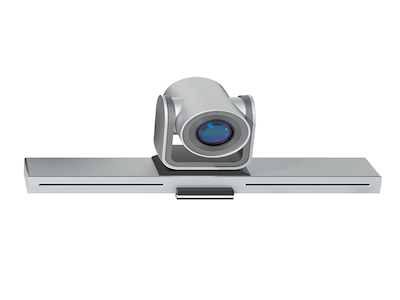
В современную эпоху цифровой трансформации корпоративное общение претерпевает радикальные изменения. С ростом удаленной работы, гибридных моделей и глобальных команд традиционные методы взаимодействия становятся недостаточными. Именно здесь умные камеры для встреч выступают как революционный инструмент, переопределяя то, как мы общаемся, сотрудничаем и достигаем целей в бизнес-среде. В этой статье мы глубоко погрузимся в мир умных камер, исследуя их технологии, преимущества, вызовы и будущее, с акцентом на то, как они переопределяют корпоративное общение.
Умные камеры для встреч — это не просто устройства для захвата видео; это сложные системы, оснащенные искусственным интеллектом (ИИ), машинным обучением и передовыми алгоритмами. Они предназначены для автоматизации и улучшения видеоконференций, обеспечивая такие функции, как автоматическое фреймирование, отслеживание говорящего, шумоподавление и аналитика в реальном времени. Эти камеры интегрируются с популярными платформами для встреч, такими как Zoom, Microsoft Teams и Google Meet, делая их незаменимыми для современных офисов.
Исторически, корпоративное общение полагалось на личные встречи, телефонные звонки и базовые видеоконференции. Однако пандемия COVID-19 ускорила переход к удаленной работе, выявив ограничения существующих технологий. Умные камеры появились как ответ на эти вызовы, предлагая решения, которые делают виртуальные встречи более engaging, эффективными и инклюзивными. Например, камера может автоматически настраивать угол обзора, чтобы включить всех участников в комнате, или выделять текущего говорящего, улучшая фокус и понимание.
Ключевые компоненты умной камеры включают высококачественные объективы, датчики движения, микрофонные массивы и программное обеспечение на основе ИИ. Эти элементы работают вместе, чтобы создать бесшовный опыт, который минимизирует отвлекающие факторы и максимизирует продуктивность. В результате, корпорации все чаще инвестируют в эти технологии, видя их как критически важные для поддержания конкурентного преимущества в быстро меняющемся мире.
Чтобы понять, как умные камеры переопределяют корпоративное общение, необходимо разобраться в их технологических основах. Во-первых, искусственный интеллект играет центральную роль. Алгоритмы ИИ используются для анализа видео в реальном времени, идентификации лиц, отслеживания движения и даже распознавания эмоций. Это позволяет камере адаптироваться к динамическим средам встреч, таких как переполненные конференц-залы или индивидуальные рабочие пространства.
Машинное обучение, подмножество ИИ, enables камеры учиться на прошлых взаимодействиях. Например, если камера часто используется в определенной комнате, она может запомнить оптимальные настройки для освещения и углов, улучшая качество видео с течением времени. Кроме того, интеграция с облачными сервисами позволяет обрабатывать данные удаленно, обеспечивая масштабируемость и безопасность. Это особенно важно для корпораций, которые handle конфиденциальную информацию во время встреч.
Другие технологии включают компьютерное зрение для точного отслеживания объектов и augmented reality (AR) элементы, которые могут накладывать цифровую информацию на реальное видео. Например, во время презентации, умная камера может highlights ключевые слайды или предоставлять интерактивные аннотации. Это не только улучшает вовлеченность, но и делает общение более наглядным и запоминающимся.
С точки зрения аппаратного обеспечения, умные камеры often feature широкоугольные объективы с высоким разрешением (e.g., 4K или выше), что обеспечивает кристально чистое изображение. Они также включают встроенные микрофоны с beamforming технологией, которая фокусирует звук на говорящем, уменьшая фоновый шум. Это комбинация hardware и software делает умные камеры мощным инструментом для переопределения того, как мы проводим встречи.
Умные камеры предлагают множество преимуществ, которые directly impact корпоративное общение. Во-первых, они significantly улучшают качество видеоконференций. С автоматическим фреймированием и отслеживанием, участники всегда находятся в центре внимания, reducing необходимость manual adjustments. Это leads к более плавным и профессиональным встречам, где technology не мешает, а enhances взаимодействие.
Во-вторых, умные камеры promote инклюзивность. В гибридных рабочих средах, где некоторые сотрудники находятся удаленно, а другие в офисе, traditional камеры могут создавать disconnect. Умные камеры bridge этот gap by ensuring that удаленные участники feel equally involved. Например, features like voice-activated switching automatically focus на того, кто говорит, making удаленные коллеги feel heard and valued.
Третье преимущество — повышение продуктивности. С reduced временем на setup и troubleshooting, meetings start faster and run more efficiently. Additionally, analytics provided by smart cameras can track engagement metrics, such as who is speaking most or attention levels, helping leaders optimize meeting formats. This data-driven approach allows corporations to make informed decisions about communication strategies.
Moreover, smart cameras enhance security. With encryption and secure cloud integrations, they protect sensitive discussions from eavesdropping. Some models even include features like facial recognition for access control, adding an extra layer of security to corporate environments. This is crucial in industries where confidentiality is paramount, such as finance or healthcare.
Lastly, these cameras support sustainability efforts by reducing the need for business travel. With high-quality virtual meetings, companies can cut carbon emissions and save costs, aligning with corporate social responsibility goals. Overall, the benefits extend beyond mere convenience to fundamentally reshape how businesses operate and communicate.
To illustrate the impact of smart cameras, let's explore some real-world case studies. Company A, a global tech firm, implemented smart cameras in their conference rooms across multiple offices. Prior to this, remote employees often felt isolated during meetings due to poor video quality. After deployment, employee satisfaction surveys showed a 30% increase in engagement, and meeting efficiency improved by 25%. The cameras' automatic framing ensured that all participants were visible, fostering a more collaborative atmosphere.
Another example is Company B, a financial services provider. They integrated smart cameras with their existing communication platforms to enhance client meetings. The cameras' noise-cancellation features eliminated background distractions from open-plan offices, leading to clearer discussions. As a result, client retention rates improved, and the company reported higher productivity in deal negotiations. This case highlights how smart cameras can directly contribute to business outcomes.
In the education sector, University C adopted smart cameras for virtual classrooms. The cameras tracked professors as they moved around, providing dynamic views that mimicked in-person lectures. Students reported better learning experiences, and attendance rates increased. This demonstrates the versatility of smart cameras beyond corporate settings, showing their potential in various industries.
These case studies underscore that smart cameras are not just technological novelties but practical tools that drive tangible benefits. They redefine communication by making it more adaptive, inclusive, and effective, regardless of the context.
Despite their advantages, smart cameras face several challenges. Cost is a significant barrier; high-end models can be expensive, making them less accessible for small businesses. Additionally, the initial setup and integration with existing IT infrastructure can be complex, requiring specialized expertise. This might lead to resistance from IT departments concerned about compatibility and maintenance.
Privacy concerns are another major issue. With cameras equipped with AI that can recognize faces and emotions, there is a risk of unauthorized surveillance or data misuse. Corporations must implement strict privacy policies and ensure compliance with regulations like GDPR to protect employee and client data. Failure to do so could result in legal repercussions and loss of trust.
Technical limitations also exist. For instance, in low-light conditions, camera performance might degrade, affecting video quality. Similarly, internet bandwidth constraints can impact real-time processing, leading to lag or reduced functionality. These issues highlight the need for continuous innovation and investment in robust infrastructure.
Moreover, there is a learning curve associated with using smart cameras. Employees may need training to fully utilize advanced features, which can slow adoption. Cultural resistance to change is another factor; some teams might prefer traditional methods, viewing new technology as unnecessary complexity.
Addressing these challenges requires a balanced approach, including cost-benefit analysis, stakeholder education, and phased implementation. By doing so, companies can mitigate risks and maximize the positive impact of smart cameras on corporate communication.
The future of smart cameras is promising, with ongoing advancements set to further redefine corporate communication. One trend is the integration of augmented reality (AR) and virtual reality (VR). Imagine meetings where participants can interact with 3D holograms or navigate virtual spaces, all facilitated by smart cameras. This could make remote collaboration feel as immersive as being in the same room.
Another development is the use of predictive analytics. Smart cameras could analyze meeting patterns to suggest optimal times for discussions or identify potential conflicts before they arise. This proactive approach would enhance decision-making and team dynamics. Additionally, improvements in AI will enable more nuanced features, such as emotion detection to gauge participant sentiment and adjust communication styles accordingly.
5G technology will play a crucial role by providing faster and more reliable connectivity, reducing latency issues and enabling higher-quality video streams. This will make smart cameras even more effective in real-time applications. Furthermore, as IoT (Internet of Things) ecosystems expand, smart cameras will integrate with other smart office devices, creating a seamless, automated environment for communication.
Ethical considerations will also shape the future. As cameras become smarter, there will be increased focus on developing ethical AI frameworks to ensure fairness, transparency, and accountability. Corporations will need to lead in this area to build trust and foster responsible innovation.
In summary, the evolution of smart cameras will continue to push the boundaries of corporate communication, making it more intelligent, adaptive, and human-centric. Businesses that embrace these changes will be better positioned to thrive in the digital age.
Умные камеры для встреч действительно переопределяют корпоративное общение, предлагая innovative solutions to the challenges of modern work environments. Through advanced technologies like AI and machine learning, they enhance video quality, promote inclusivity, boost productivity, and improve security. While challenges such as cost and privacy exist, the benefits far outweigh the drawbacks, as evidenced by real-world success stories.
As we look to the future, continued innovation will further transform how we communicate, making interactions more immersive and data-driven. Corporations should proactively adopt and adapt to these technologies to stay competitive and foster a collaborative culture. Ultimately, smart cameras are not just tools but catalysts for a new era of corporate communication, where distance and technology no longer barrier but bridge to better connections.
By investing in smart cameras, businesses can unlock new levels of efficiency and engagement, ensuring that their teams communicate effectively regardless of location. This redefinition of communication is essential for navigating the complexities of the globalized, digital world we live in today.
Предыдущая статья: как выбрать подходящую камеру для видеоконференций
Следующий пост: ЗащитаДанныхСпасетВашуКомпаниюОтХакеров
Shenzhen Oneking Technologies Co., Ltd.
Контактные лица:Shawn
Телефон:1388xx888xx / 1388xx888xx
Адрес:Floor 5, Building 7, (At Gushu Intersection) Rundongsheng Industrial Zone, No. 467, Xixiang Section, 107 National Road, Longteng Community, Xixiang Street, Shenzhen, Guangdong, China