2025-12-17 16:01:10
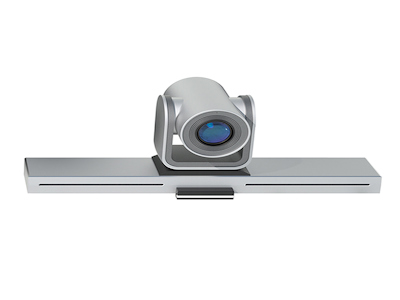
В современном мире технологий, где видеоконференции и удаленное общение стали неотъемлемой частью бизнеса и повседневной жизни, выбор подходящего оборудования играет ключевую роль. Среди множества опций на рынке особое внимание привлекают ONVIF совместимые конференц камеры, которые кардинально отличаются от обычных аналогов. Эта статья углубляется в детали, объясняя, почему ONVIF стандарт стал золотым стандартом в индустрии сетевого видео, и как его внедрение трансформирует пользовательский опыт.
ONVIF (Open Network Video Interface Forum) – это глобальная инициатива, основанная в 2008 году такими гигантами, как Axis Communications, Bosch Security Systems и Sony, с целью создания открытого стандарта для IP-устройств в области видеонаблюдения и других приложений. Стандарт ONVIF обеспечивает совместимость между продуктами разных производителей, позволяя им беспрепятственно взаимодействовать в единой системе. Это достигается через набор спецификаций, которые определяют протоколы связи, управление устройствами, передачу видео и аудио, а также функции безопасности.
В отличие от обычных камер, которые часто зависят от проприетарного программного обеспечения и ограниченной функциональности, ONVIF совместимые устройства предлагают универсальность. Они поддерживают общие интерфейсы, такие как веб-сервисы на основе SOAP и REST, что упрощает интеграцию с различными системами управления видео (VMS), платформами для видеоконференций и IoT-устройствами. Это означает, что пользователь может смешивать и сочетать оборудование от разных вендоров без опасений о несовместимости, что снижает затраты и увеличивает гибкость развертывания.
Исторически, до появления ONVIF, рынок IP-камер был фрагментирован: каждый производитель использовал свои собственные протоколы, что приводило к замкнутым экосистемам. Потребители были вынуждены покупать все компоненты от одного бренда, чтобы избежать проблем. ONVIF изменил это, продвигая открытость и интероперабельность. Сегодня стандарт включает несколько профилей (например, Profile S для потокового видео, Profile G для записи и хранения, Profile C для контроля доступа), которые catering к различным use cases, включая конференц камеры.
Для конференц камер ONVIF совместимость означает, что устройство может легко подключаться к стандартным системам видеоконференций, таким как Zoom, Microsoft Teams или Cisco Webex, через ONVIF-совместимые шлюзы или прямое integration. Это устраняет необходимость в специализированном ПО и упрощает настройку. В то время как обычная камера может требовать драйверов или настроек, специфичных для производителя, ONVIF камера работает по принципу "plug-and-play" в совместимой среде, экономя время и ресурсы.
Кроме того, ONVIF постоянно evolves to address emerging trends, such as cybersecurity and AI integration. For instance, recent profiles include enhancements for encryption and authentication, ensuring that ONVIF devices are not only interoperable but also secure. This forward-thinking approach makes ONVIF a future-proof choice compared to ordinary cameras that might become obsolete as technology advances.
Когда мы сравниваем ONVIF совместимые конференц камеры с обычными, первое и самое очевидное различие заключается в уровне функциональности и гибкости. ONVIF камеры designed to be part of a larger ecosystem, offering features that go beyond basic video capture. Они поддерживают advanced функции, такие as PTZ (pan-tilt-zoom) control через стандартизированные команды, event triggering (e.g., motion detection alerts), and metadata integration, which allows for smart analytics like facial recognition or object tracking.
Ordinary cameras, on the other hand, often lack these capabilities or implement them in a proprietary manner. For example, a non-ONVIF camera might only work with its own branded software for PTZ control, limiting your options if you want to switch to a different VMS. With an ONVIF camera, you can use any ONVIF-compliant software to access these features, giving you freedom of choice. This is particularly important in conferencing scenarios, where smooth panning and zooming can enhance the meeting experience by focusing on speakers or details.
Another critical aspect is video quality and compression. ONVIF standards support various codecs like H.264, H.265, and even emerging ones like AV1, ensuring efficient bandwidth usage without sacrificing clarity. Ordinary cameras might use older or less efficient codecs, leading to higher data consumption and potential lag in real-time conferencing. ONVIF also defines resolutions and frame rates, so users can expect consistent performance across devices. In a conference setting, this means reliable HD or 4K video streams that adapt to network conditions, whereas ordinary cameras might struggle with interoperability issues that cause artifacts or dropouts.
Audio functionality is another area where ONVIF shines. Many ONVIF-compatible conference cameras include integrated microphones and support for audio streams compliant with standards like G.711 or AAC. This allows for seamless audio-video synchronization in conferencing apps. Ordinary cameras might have basic audio but lack the standardization for easy integration, requiring additional hardware or software tweaks. For instance, an ONVIF camera can directly stream audio to a conferencing platform via ONVIF protocols, while an ordinary camera might need a separate audio interface, complicating the setup.
Moreover, ONVIF cameras often come with built-in security features aligned with the standard, such as HTTPS encryption for data transmission and user authentication mechanisms. This is crucial for protecting sensitive business discussions during conferences. Ordinary cameras may have weaker security or rely on manufacturer-specific measures that are not as rigorously tested. In today's era of cyber threats, having a standardized security framework like ONVIF provides peace of mind and compliance with industry regulations.
Adopting ONVIF-compatible conference cameras offers numerous benefits for businesses and end-users. Firstly, it reduces total cost of ownership (TCO). By enabling interoperability, companies can avoid vendor lock-in and choose cost-effective solutions from multiple suppliers. For example, you might invest in an ONVIF camera from a budget brand and pair it with a high-end VMS, rather than buying an entire system from a single expensive vendor. This flexibility leads to savings on both hardware and software over time.
Secondly, scalability is greatly enhanced. As your organization grows, you can easily add more ONVIF devices to your network without compatibility concerns. Ordinary cameras might require replacing entire systems when expanding, which is costly and disruptive. In conferencing, this means you can scale from a small meeting room to a large auditorium by simply integrating additional ONVIF cameras, all managed through a unified interface.
User experience is also improved. ONVIF cameras are designed for ease of use, with intuitive setup processes via web interfaces or mobile apps that support ONVIF protocols. Users can quickly configure settings like resolution, bandwidth limits, and privacy zones without deep technical knowledge. Ordinary cameras often come with complex proprietary software that has a steeper learning curve. In a fast-paced business environment, this simplicity translates to higher productivity and fewer IT support calls.
Furthermore, ONVIF promotes innovation. Because the standard is open, developers can create new applications and integrations that leverage ONVIF cameras. For instance, AI-powered analytics tools can be built to work with any ONVIF device, enabling features like automated attendance tracking or sentiment analysis during conferences. Ordinary cameras limit such innovation to what the manufacturer offers, potentially stifling creativity and adaptation to new trends.
From a sustainability perspective, ONVIF compatibility extends the lifespan of equipment. You can upgrade software or swap out components without discarding entire systems, reducing electronic waste. Ordinary cameras might become obsolete faster if the manufacturer discontinues support, forcing premature replacements.
To illustrate the differences, consider a real-world example: a multinational corporation implementing a video conferencing system across offices in different countries. By choosing ONVIF-compatible cameras, they can deploy devices from various manufacturers tailored to local availability and cost, yet ensure all cameras work seamlessly with their central conferencing platform like Microsoft Teams. This approach saved them 30% in costs compared to sourcing from a single vendor and reduced deployment time by allowing local IT teams to handle installations independently.
In contrast, a company that opted for ordinary cameras faced challenges when trying to integrate them with a new VMS during a merger. The lack of ONVIF support meant expensive custom development or replacement of cameras, leading to delays and budget overruns. This case highlights how ONVIF acts as an insurance policy against technological changes.
Another example is in education sector, where universities use ONVIF cameras for lecture capture and remote learning. These cameras can be integrated with learning management systems (LMS) via ONVIF, enabling automated recording and streaming. Ordinary cameras would require middleware or manual handling, increasing operational overhead.
Testimonials from users often praise the reliability of ONVIF cameras in high-stakes environments, such as healthcare teleconsultations or legal proceedings, where uninterrupted video is critical. The standardization ensures that backups and failovers work smoothly, whereas ordinary cameras might introduce points of failure due to proprietary quirks.
В заключение, ONVIF совместимые конференц камеры представляют собой значительный шаг вперед по сравнению с обычными камерами. Они предлагают превосходную интероперабельность, расширенную функциональность, улучшенную безопасность и экономическую эффективность. Как технологии продолжают развиваться, adoption открытых стандартов like ONVIF будет только расти, делая их обязательным выбором для любого серьезного внедрения видеоконференций или наблюдения.
Для потребителей и businesses, инвестирование в ONVIF-совместимые устройства - это не просто покупка камеры; это вложение в гибкую, масштабируемую и future-proof систему. В то время как обычные камеры могут suffice для базовых нужд, они не могут match the versatility and reliability that ONVIF brings. Ultimately, the choice is clear: embrace standardization to unlock the full potential of modern conferencing and video solutions.
As we look to the future, ONVIF is poised to integrate with emerging technologies like 5G, edge computing, and AI, further solidifying its role as a cornerstone of the IP video landscape. By choosing ONVIF, you're not just keeping up with the times—you're staying ahead of the curve.
Shenzhen Oneking Technologies Co., Ltd.
Контактные лица:Shawn
Телефон:1388xx888xx / 1388xx888xx
Адрес:Floor 5, Building 7, (At Gushu Intersection) Rundongsheng Industrial Zone, No. 467, Xixiang Section, 107 National Road, Longteng Community, Xixiang Street, Shenzhen, Guangdong, China