2025-12-18 00:01:10
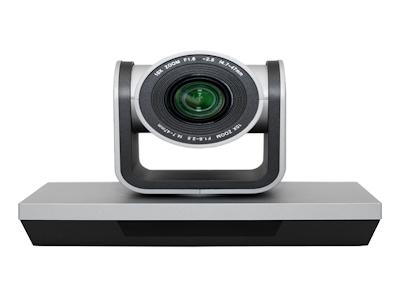
В современную эпоху цифровой трансформации удаленная работа стала неотъемлемой частью бизнес-процессов. Пандемия COVID-19 ускорила этот переход, заставив компании по всему миру адаптироваться к новым реалиям. Одним из ключевых инструментов, обеспечивающих эффективность дистанционного сотрудничества, является IP-камера для конференций. Это устройство не просто заменяет традиционные веб-камеры, а предлагает комплексное решение для высококачественной видеосвязи, что критически важно для поддержания продуктивности и коммуникации в командах. В этой статье мы подробно исследуем, почему IP-камеры стали современным стандартом для удаленной работы, рассмотрим их преимущества, технические аспекты, применение в различных сферах и будущие тенденции. Наша цель — предоставить читателям исчерпывающее руководство, которое поможет сделать informed decision при выборе оборудования для видеоконференций.
Удаленная работа, или remote work, перестала быть нишевой практикой и превратилась в массовое явление. Согласно отчетам Всемирного экономического форума, к 2025 году более 40% workforce будут работать удаленно хотя бы частично. Это создает повышенный спрос на технологии, которые могут обеспечить seamless communication. Видеоконференции стали основным способом взаимодействия, заменяя личные встречи. Однако обычные веб-камеры, встроенные в ноутбуки или используемые как периферийные устройства, часто не справляются с задачами профессионального уровня. Они страдают от низкого разрешения, плохого освещения, ограниченного угла обзора и отсутствия интеграции с корпоративными системами. IP-камеры, разработанные specifically для конференций, решают эти проблемы, предлагая superior качество изображения, advanced функции и scalability. В этом разделе мы обсудим общий контекст удаленной работы и why it demands specialized equipment like IP-камеры.
IP-камера, или интернет-протокольная камера, — это цифровое видеоустройство, которое передает данные через сеть IP (Internet Protocol). В отличие от analog камер, которые требуют separate видеорегистраторов, IP-камеры имеют built-in processing capabilities и可以直接 подключаться к сети via Ethernet или Wi-Fi. Для конференций эти камеры оптимизированы для видеосвязи в реальном времени, с поддержкой high-definition (HD) или even 4K resolution, wide dynamic range (WDR) для работы в условиях разного освещения, и advanced features like pan-tilt-zoom (PTZ). Основные компоненты включают image sensor (e.g., CMOS или CCD), lens, processor, и network interface. Работа IP-камеры начинается с захвата видео через sensor, обработки его процессором (с compression кодеком如 H.264 или H.265 для уменьшения bandwidth), и передачи через сеть на software platforms like Zoom, Microsoft Teams, или proprietary systems. Это позволяет multiple users участвовать в конференциях с crystal-clear video, даже при низкой пропускной способности сети. В этом разделе мы углубимся в технические детали, explaining how IP-камеры обеспечивают reliable и high-quality видеосвязь для удаленной работы.
IP-камеры предлагают numerous advantages over standard webcams, making them ideal for professional remote work. First, video quality: IP-камеры typically support resolutions up to 4K, whereas most webcaps max out at 1080p. This results in sharper images, better color accuracy, and improved low-light performance. Second, flexibility: many IP-камеры come with PTZ functionality, allowing users to remotely control the camera angle, zoom, and focus, which is crucial for group meetings or tracking speakers in a room. Third, integration: IP-камеры are designed to work seamlessly with enterprise software and hardware, supporting protocols like ONVIF for interoperability. They often include features like noise cancellation, auto-framing, and background blur, enhancing the overall meeting experience. Fourth, security: IP-камеры offer advanced encryption and authentication mechanisms, reducing risks of unauthorized access compared to consumer-grade webcams. Fifth, scalability: for large organizations, IP-камеры can be easily deployed across multiple locations and managed centrally. In contrast, webcams are limited to individual use and lack these professional features. This section will elaborate on each advantage, providing examples and case studies to illustrate why businesses should invest in IP-камеры for conferences.
Выбор правильной IP-камеры зависит от нескольких key technical specifications. Resolution: opt for at least 1080p for clarity, but 4K is recommended for larger screens or detailed presentations. Frame rate: a minimum of 30 fps ensures smooth video, essential for dynamic discussions. Field of view (FOV): a wider FOV (e.g., 90-120 degrees) is better for group settings, while narrower FOVs suit individual use. Sensor type: CMOS sensors are common and cost-effective, but CCD sensors offer better image quality in low light. Connectivity: Ethernet provides stable connection, while Wi-Fi offers flexibility; consider dual-band Wi-Fi for less interference. Audio: built-in microphones with noise cancellation are a plus, but external mics may be needed for larger rooms. Additional features: look for optical zoom, autofocus, WDR, and compatibility with popular conferencing apps. Budget is also a factor; entry-level models start around $100, while high-end ones can exceed $500. When selecting, assess your specific needs: for small teams, a basic HD IP-камера may suffice, but for enterprises, invest in models with advanced analytics and cloud integration. This section will provide a detailed comparison of popular models, tips for testing before purchase, and recommendations based on use cases.
IP-камеры находят применение в diverse industries, enhancing remote work across sectors. In corporate environments, they are used for virtual meetings, training sessions, and executive communications, improving collaboration among distributed teams. In education, schools and universities deploy IP-камеры for online classes, enabling teachers to conduct interactive lessons with clear video and audio. Healthcare sector utilizes them for telemedicine, allowing doctors to consult patients remotely with high-quality visuals. Government agencies use IP-камеры for secure conferences and public hearings. Even in creative fields like media and entertainment, these cameras facilitate remote production and editing sessions. Case studies show that companies adopting IP-камеры report increased productivity, reduced travel costs, and better employee engagement. For instance, a tech startup might use a PTZ IP-камера to stream product demos to global clients, while a hospital might integrate it with EHR systems for virtual diagnoses. This section will explore real-world examples, highlighting how different industries leverage IP-камеры to adapt to the remote work paradigm.
Для максимальной эффективности IP-камеры должны seamlessly integrate with software platforms. Popular conferencing apps like Zoom, Microsoft Teams, Google Meet, and Cisco Webex support most IP-камеры through standard drivers or APIs. This integration allows for features like one-click joining, screen sharing, and recording. Beyond conferencing, IP-камеры can work with video management systems (VMS) for surveillance or analytics, and with IoT platforms for smart office applications. Cloud-based solutions enable remote access and storage, while on-premise setups offer more control and security. When integrating, consider compatibility: ensure the camera supports common protocols like RTSP, ONVIF, or specific SDKs. For businesses, choosing cameras that work with existing IT infrastructure reduces implementation time and costs. This section will discuss best practices for integration, common challenges (e.g., firewall issues), and how to optimize setup for smooth operation. We'll also touch on future trends, such as AI-powered integrations for automatic transcription or emotion detection.
Безопасность является критическим аспектом при использовании IP-камер, особенно в корпоративной среде, где утечки данных могут иметь серьезные последствия. IP-камеры передают видео через интернет, что делает их потенциальными targets для кибератак. Чтобы mitigate risks, выбирайте камеры с built-in encryption (e.g., TLS/SSL), regular firmware updates, and strong authentication methods like multi-factor authentication. Избегайте default passwords and ensure network segmentation to isolate camera traffic. Конфиденциальность also matters; in some regions, laws like GDPR in Europe require consent for video recording. Implement policies for data storage and access controls. For example, use end-to-end encryption for conferences and secure cloud storage. This section will provide a comprehensive guide on security best practices, common vulnerabilities (e.g., Mirai botnet attacks), and how to conduct security audits for IP-камеры. We'll emphasize the importance of choosing reputable brands and staying informed about threats.
Инвестиции в IP-камеры могут показаться significant, но они often yield a high return on investment (ROI) for businesses. Initial costs include the camera itself (from $100 to $1000+), installation, and possible software subscriptions. However, benefits like reduced travel expenses, increased productivity, and improved communication lead to long-term savings. For example, a company that switches to virtual meetings can save thousands on airfare and accommodation. Additionally, IP-камеры enhance remote training, reducing the need for in-person sessions. To calculate ROI, consider factors like time saved, error reduction, and employee satisfaction. Case studies show that businesses recoup costs within a year. This section will break down cost components, provide ROI calculations, and discuss budgeting tips, such as starting with a pilot program or leasing options. We'll also compare costs across different tiers of IP-камеры to help readers make cost-effective choices.
Технологии rapidly evolve, and IP-камеры are no exception. Future trends include the adoption of 8K resolution for ultra-high clarity, though bandwidth constraints may delay widespread use. Artificial intelligence (AI) integration is becoming common, enabling features like automatic framing, gesture recognition, and real-time language translation. 5G connectivity will enhance mobile conferencing with faster speeds and lower latency. Augmented reality (AR) could allow virtual overlays during meetings, making presentations more interactive. Sustainability is also a focus, with energy-efficient designs and recyclable materials. As remote work continues to grow, expect more personalized and immersive experiences from IP-камеры. This section will explore these innovations, predictions from industry experts, and how they might shape the future of remote work. We'll discuss potential challenges, such as privacy concerns with AI, and how to prepare for these changes.
Чтобы получить maximum benefit from an IP-камера, proper installation and usage are crucial. Start by choosing an optimal location: place the camera at eye level for a natural view, avoid backlighting, and ensure good lighting for clear video. Use a stable mount or tripod to prevent shaking. For network setup, connect via Ethernet for reliability, or use Wi-Fi with a strong signal. Configure settings through the camera's web interface or app: adjust resolution, frame rate, and audio levels. Test the camera with your conferencing software before important meetings. Regular maintenance includes cleaning the lens, updating firmware, and monitoring network performance. For troubleshooting, common issues include connectivity problems or poor video quality—check internet speed and camera settings. This section will provide step-by-step guides, DIY tips, and when to seek professional help. We'll also cover advanced usage, such as using multiple cameras for panoramic views.
В заключение, IP-камеры для конференций represent a vital tool in the arsenal of remote work technologies. They address the limitations of traditional webcams by offering superior video quality, flexibility, security, and integration capabilities. As businesses continue to embrace hybrid or fully remote models, investing in reliable IP-камеры can significantly enhance communication, collaboration, and overall productivity. The initial investment is justified by the long-term benefits, including cost savings and improved employee engagement. Looking ahead, advancements in AI, 5G, and other technologies will further elevate the capabilities of IP-камеры, making them even more indispensable. We encourage readers to evaluate their needs, choose the right camera, and implement best practices for installation and security. By doing so, they can future-proof their remote work setup and thrive in the digital age. This article has provided a comprehensive overview, and we hope it serves as a valuable resource for making informed decisions.
Спасибо за чтение! Если у вас есть вопросы или опыт использования IP-камер, поделитесь в комментариях ниже.
Предыдущая статья: Выбор профессиональной камеры для деловых встреч важнейший шаг
Следующий пост: Ультралегкая камера для конференций идеальна для удаленной работы без лишнего веса
Shenzhen Oneking Technologies Co., Ltd.
Контактные лица:Shawn
Телефон:1388xx888xx / 1388xx888xx
Адрес:Floor 5, Building 7, (At Gushu Intersection) Rundongsheng Industrial Zone, No. 467, Xixiang Section, 107 National Road, Longteng Community, Xixiang Street, Shenzhen, Guangdong, China