2025-12-19 12:01:10
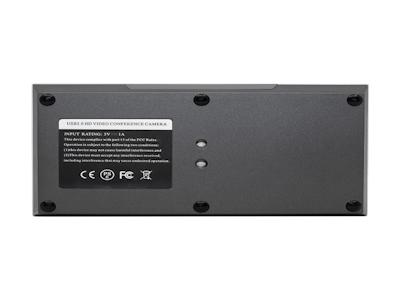
В современном мире видеоконференции стали неотъемлемой частью бизнес-коммуникаций, позволяя компаниям эффективно взаимодействовать на расстоянии, сокращать затраты на поездки и повышать оперативность принятия решений. Однако в регионах с высокой сейсмической активностью, таких как сейсмоопасные зоны России, Японии, Калифорнии или Чили, стандартное оборудование для видеосвязи может быть уязвимо к землетрясениям, что приводит к сбоям в работе и потенциальным финансовым потерям. Именно здесь на первый план выходят защищенные камеры для видеоконференций сейсмостойкие решения – инновационные устройства, разработанные для обеспечения надежности и непрерывности связи даже в экстремальных условиях. В этой статье мы подробно рассмотрим, что представляют собой такие камеры, их ключевые особенности, преимущества, технологические аспекты, применение в различных отраслях, а также дадим практические рекомендации по выбору и внедрению. Мы углубимся в детали, чтобы предоставить исчерпывающее руководство для бизнеса, стремящегося к максимальной устойчивости.
Землетрясения – это природные явления, которые могут происходить внезапно и иметь разрушительные последствия. Для бизнеса, особенно в таких отраслях, как энергетика, телекоммуникации, здравоохранение и государственное управление, прерывание связи во время кризиса может усугубить ситуацию, привести к человеческим жертвам или значительным экономическим ущербам. Видеоконференции часто используются для координации действий в чрезвычайных ситуациях, например, при ликвидации последствий стихийных бедствий, проведении медицинских консилиумов или управлении критической инфраструктурой. Если камера выходит из строя из-за сейсмических толчков, это может сорвать важные переговоры, замедлить response time и подорвать доверие к организации. Статистика показывает, что в сейсмоактивных регионах до 30% сбоев в работе оборудования связано с землетрясениями, что подчеркивает необходимость инвестиций в устойчивые решения. Защищенные камеры, разработанные с учетом сейсмостойких стандартов, таких как IEC 60068-2-57 или ASTM E2126, способны выдерживать вибрации и удары, обеспечивая бесперебойную связь. Это не просто технологическая прихоть, а критически важный элемент бизнес-непрерывности, который может спасти жизни и сохранить репутацию компании.
Сейсмостойкие камеры отличаются от обычных моделей рядом ключевых особенностей, которые обеспечивают их надежность в условиях вибраций и толчков. Во-первых, это конструкционная прочность: корпус таких камер изготавливается из ударопрочных материалов, таких как алюминиевые сплавы или композиты, с усиленными креплениями и амортизаторами, которые поглощают энергию землетрясений. Например, многие модели оснащены системами активной стабилизации, которые автоматически компенсируют дрожание, сохраняя четкое изображение даже при сильных толчках. Во-вторых, важна защита электронных компонентов: печатные платы и connectors проектируются с учетом виброустойчивости, часто с использованием бессвинцовых паек и дополнительных фиксаторов для предотвращения отсоединения кабелей. В-третьих, эти камеры часто сертифицированы по международным стандартам, таким как IEEE 344 для сейсмостойкости в nuclear facilities или ISO 3010 для general structures, что гарантирует их соответствие строгим требованиям. Дополнительно, они могут включать функции like wide dynamic range (WDR) для работы при изменении освещения durante землетрясений, и поддержку протоколов безопасности, таких как encryption для защиты данных. Цены на такие устройства варьируются от 500 до 5000 долларов в зависимости от бренда и возможностей, но инвестиция окупается за счет снижения рисков простоя.
Разработка сейсмостойких камер involves advanced engineering and materials science. One key technology is the use of seismic isolation systems, which decouple the camera from its mounting structure using springs, dampers, or base isolators made of rubber or lead-core bearings. These systems absorb and dissipate seismic energy, preventing it from transferring to the camera. For instance, in high-end models, piezoelectric actuators can provide real-time adjustment to counter vibrations. Another aspect is software-based image stabilization algorithms, which analyze video feed and correct for shakes digitally, complementing hardware solutions. Materials like magnesium alloys or carbon fiber are chosen for their high strength-to-weight ratio, reducing mass and thus inertial forces during earthquakes. Furthermore, testing is crucial: cameras undergo rigorous shake table tests模拟 earthquakes of various magnitudes (e.g., up to 9.0 on the Richter scale) to ensure performance. Companies like Sony, Panasonic, and specialized firms like Arecont Vision invest in R&D to integrate these technologies, often collaborating with seismic experts from institutions like the USGS or JMA. The result is a device that not only survives earthquakes but maintains optical clarity and connectivity, with features such as auto-focus and low-light enhancement adapted for post-disaster scenarios where power might be unstable.
Внедрение сейсмостойких камер приносит numerous benefits to organizations. Primarily, they enhance business continuity by ensuring that video conferencing remains operational during and after seismic events, which is vital for crisis management, remote teamwork, and customer support. This reliability can prevent revenue losses estimated at thousands of dollars per hour of downtime in sectors like finance or healthcare. Secondly, these cameras improve safety: in environments like hospitals or emergency response centers, uninterrupted video links allow for real-time coordination, potentially saving lives. For example, during the 2011 Tohoku earthquake in Japan, facilities with seismic-resistant equipment reported faster recovery times. Thirdly, there is a reputational advantage: companies that invest in robust infrastructure demonstrate commitment to resilience and corporate responsibility, which can attract clients and investors. Additionally, these cameras often come with broader durability features, such as resistance to dust, water, or extreme temperatures (e.g., IP67 rating), making them suitable for harsh industrial settings beyond just seismic zones. Cost-wise, while the initial investment is higher, the long-term savings from avoided repairs, replacements, and operational disruptions make them economically viable. A case study from a tech firm in California showed a return on investment within two years after switching to seismic-rated cameras, due to reduced incident-related costs.
Сейсмостойкие камеры находят применение в diverse industries where reliability is paramount. In the energy sector, for oil rigs or nuclear plants located in seismic zones, they enable remote monitoring and communication without risking human exposure. For instance, after the Fukushima disaster, many nuclear facilities worldwide upgraded to seismic-resistant cameras for better oversight. In healthcare, hospitals use them for telemedicine and surgical collaborations, ensuring that consultations aren't interrupted during emergencies – a study in Chile showed improved patient outcomes when video systems remained functional post-earthquake. Government agencies deploy these cameras in command centers for disaster response, allowing officials to coordinate across regions seamlessly. The education sector benefits too, with universities in earthquake-prone areas like Indonesia using them for virtual classes to maintain academic continuity. Even in corporate settings, multinational companies with offices in active fault zones rely on them for global meetings. A notable example is a financial institution in Tokyo that integrated seismic cameras into its trading floors, preventing multimillion-dollar losses during a recent tremor by keeping traders connected. These real-world cases highlight how adaptive technology can transform risk into opportunity, fostering innovation and preparedness.
Выбор правильной камеры требует careful consideration of several factors. First, assess the seismic risk in your location: consult maps from agencies like USGS or local geological surveys to determine the expected intensity of earthquakes (measured on scales like Mercalli or Richter). This will guide the level of protection needed – for moderate zones, cameras with basic vibration resistance may suffice, while high-risk areas demand certified seismic ratings. Second, evaluate technical specifications: look for resolution (e.g., 4K or 1080p for clarity), field of view (wide-angle for group meetings), and connectivity options (USB, HDMI, or network-based for integration with existing systems). Ensure compatibility with video conferencing platforms like Zoom, Microsoft Teams, or Cisco Webex. Third, check certifications: prefer products tested to standards such as IEC 60068-2-6 for vibration or UL 60950-1 for safety. Brand reputation matters – companies like Axis Communications, Hikvision, or Bosch offer reliable models with good support. Fourth, consider additional features like audio quality (built-in microphones with noise cancellation), ease of installation (mounting brackets designed for seismic loads), and warranty terms. Budget is key; entry-level models start around $300, but for enterprise-grade solutions, expect to pay $1000 or more. Finally, read reviews and case studies to see how cameras perform in real scenarios. A practical tip: conduct a pilot test in a simulated environment before full deployment to ensure meet your needs.
Будущее сейсмостойких камер looks promising with emerging trends. Artificial intelligence (AI) is being integrated to predict seismic events and automatically adjust camera settings preemptively – for example, AI algorithms can analyze data from sensors to anticipate tremors and activate stabilization modes. IoT connectivity allows cameras to be part of smart building systems, sharing data with other devices for coordinated responses. advancements in materials science, such as self-healing polymers or nanomaterials, could lead to even more durable designs that repair minor damages automatically. Another trend is the miniaturization of components, making cameras more compact without sacrificing strength, ideal for mobile or portable setups. Additionally, there is a push towards sustainability, with manufacturers using recyclable materials and energy-efficient components to reduce environmental impact. The rise of 5G technology will enhance real-time video streaming with lower latency, crucial for emergency communications. Looking ahead, we might see hybrid solutions that combine seismic resistance with other protections, like radiation hardening for nuclear applications or EMP shielding for cybersecurity. Collaborations between tech firms and research institutions will drive innovation, potentially leading to affordable options for smaller businesses. As climate change increases the frequency of natural disasters, the demand for such resilient equipment is set to grow, making it a key area for investment and development.
В заключение, защищенные камеры для видеоконференций сейсмостойкие решения represent a critical advancement in ensuring business continuity and safety in earthquake-prone regions. They combine robust engineering, cutting-edge technology, and practical benefits that far outweigh their costs. By investing in such equipment, organizations can mitigate risks, enhance operational resilience, and demonstrate leadership in preparedness. As the world faces increasing uncertainties, from climate-related events to geopolitical tensions, the ability to maintain communication under duress is invaluable. We encourage businesses to evaluate their needs, consult experts, and take proactive steps towards adopting these solutions. Remember, resilience is not just about surviving disasters but thriving through them. For further information, explore resources from standards organizations or contact manufacturers for personalized advice. Together, we can build a more connected and secure future.
Эта статья предоставляет comprehensive overview, but always consult with professionals for specific applications. Stay safe and prepared!
Предыдущая статья: Откройте новую эру видеоконференций с предустановленной камерой
Следующий пост: Новейшая конференц камера определяющая местоположение всех участников
Shenzhen Oneking Technologies Co., Ltd.
Контактные лица:Shawn
Телефон:1388xx888xx / 1388xx888xx
Адрес:Floor 5, Building 7, (At Gushu Intersection) Rundongsheng Industrial Zone, No. 467, Xixiang Section, 107 National Road, Longteng Community, Xixiang Street, Shenzhen, Guangdong, China