2025-12-24 12:01:10
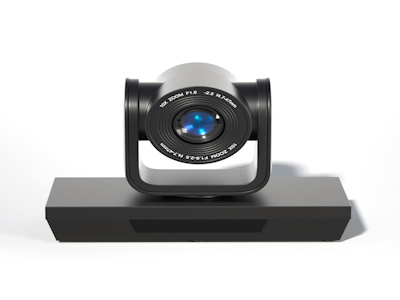
В современном мире конференции стали неотъемлемой частью профессиональной и деловой жизни. Они служат площадкой для обмена знаниями, установления контактов и продвижения инноваций. Однако успех любого мероприятия во многом зависит от качества его визуального представления. Именно здесь на сцену выходит новейшая широкоугольная камера, предлагающая непревзойденное качество съемки, которое захватывает каждую деталь, делая конференции более динамичными, вовлекающими и запоминающимися. В этой статье мы подробно рассмотрим, как эта технология революционизирует подход к съемке мероприятий, ее технические преимущества, практические применения и будущие перспективы.
Широкоугольные камеры, как следует из названия, обладают объективами с углом обзора, значительно превышающим стандартные. Это позволяет захватывать больше пространства в кадре, что особенно ценно на конференциях, где важно показать не только выступающих, но и аудиторию, общую атмосферу и взаимодействие между участниками. Исторически широкоугольная оптика использовалась в фотографии и кинематографе для создания эпических сцен, но с развитием цифровых технологий она стала доступна и для видеосъемки мероприятий. Новейшие модели сочетают в себе высокое разрешение, улучшенную стабилизацию и интеллектуальные функции, такие как автоматическая настройка экспозиции и фокусировки, что делает их идеальными для динамичных сред, подобных конференциям.
Преимущества широкоугольной съемки на конференциях многогранны. Во-первых, она позволяет избежать узкого, ограниченного кадра, который часто ассоциируется с традиционными камерами. Вместо этого зрители получают полное представление о событии, чувствуя себя частью действия. Это усиливает вовлеченность, особенно при трансляциях в прямом эфире или записях для последующего просмотра. Во-вторых, широкоугольный объектив минимизирует искажения и обеспечивает четкость даже на краях кадра, что критически важно для профессиональной съемки, где каждая деталь – от выражения лица спикера до реакций аудитории – имеет значение.
Однако внедрение широкоугольной технологии не лишено вызовов. Например, при неправильном использовании могут возникать оптические искажения, такие как бочкообразная дисторсия, которая искажает прямые линии. Современные камеры решают эту проблему с помощью программной коррекции и avanzados алгоритмов обработки изображений. Кроме того, широкоугольные объективы требуют более тщательного планирования композиции, чтобы избежать захвата ненужных элементов фона. Но с практикой и правильной настройкой эти трудности легко преодолеваются, открывая door to unparalleled quality.
Новейшая широкоугольная камера представляет собой вершину инженерной мысли, объединяя передовые технологии в компактном и удобном корпусе. Ключевые особенности включают высокое разрешение, часто достигающее 4K или даже 8K, что обеспечивает кристально чистую картинку с богатой детализацией. Это особенно важно на конференциях, где слайды презентаций, графики и тексты должны быть легко читаемыми для зрителей. Кроме того, камера оснащена большим сенсором, который улучшает светочувствительность, позволяя снимать в условиях слабого освещения без потери качества – common scenario in conference halls with variable lighting.
Стабилизация изображения – еще один критический аспект. Многие новейшие широкоугольные камеры используют гибридные системы стабилизации, combining optical and electronic methods to eliminate shakes and jitters. This is vital for conferences, where camera operators might be moving around or dealing with unpredictable environments. The result is smooth, professional footage that enhances viewer experience. Additionally, autofocus technologies have advanced significantly, with features like eye-tracking and subject detection ensuring that speakers remain sharp and in focus, even when they move across the stage.
Intelligent features set these cameras apart. For instance, AI-powered scene recognition can automatically adjust settings based on the content – whether it's a close-up of a speaker or a wide shot of the audience. This reduces the need for manual intervention, making the camera accessible to operators of all skill levels. Connectivity options, such as Wi-Fi and Bluetooth, enable real-time streaming and remote control, which is perfect for live broadcasts of conferences. Moreover, the cameras often support high dynamic range (HDR) imaging, capturing a wider range of colors and contrasts, which adds depth and realism to the footage.
The durability and ergonomics of these cameras are also worth noting. Designed for professional use, they are built to withstand long hours of operation and various environmental conditions. Ergonomic designs reduce operator fatigue, allowing for extended shooting sessions without compromising quality. These technical innovations collectively ensure that every detail of a conference is captured with perfection, from the nuances of facial expressions to the grandeur of the venue.
On practical ground, the use of a latest wide-angle camera transforms how conferences are documented and shared. Firstly, for keynote speeches and panel discussions, the wide field of view allows capturing the entire stage along with the speaker and any visual aids, such as screens or props. This provides context and makes the content more engaging. For example, during a product launch, the camera can show both the presenter and the product in detail, enhancing the storytelling aspect. In interactive sessions, like Q&A, it can seamlessly switch between the speaker and the audience, fostering a sense of inclusion.
Secondly, for networking segments and breaks, the camera can capture the hustle and bustle of the event, highlighting interactions and atmosphere. This is valuable for promotional materials or recap videos, as it conveys the energy and success of the conference. Additionally, in virtual or hybrid conferences, which have become increasingly popular, the wide-angle lens ensures that remote participants feel as if they are in the room, reducing the sense of isolation and improving engagement.
To maximize effectiveness, operators should follow best practices. Positioning the camera at an optimal height and angle avoids distortions and ensures a natural perspective. Using tripods or gimbals enhances stability, while lighting should be adjusted to complement the camera's capabilities – soft, even lighting minimizes shadows and highlights details. Post-production, though minimal with modern cameras, can involve color grading and cropping to refine the footage. Case studies show that conferences using such technology report higher audience satisfaction and increased viewership on recorded content.
Moreover, the camera's versatility extends beyond main events to workshops, exhibitions, and even behind-the-scenes moments. This holistic coverage creates a comprehensive archive that can be repurposed for marketing, training, or future reference. The investment in a high-quality wide-angle camera thus pays off by elevating the overall production value and extending the lifespan of the conference content.
Comparing the latest wide-angle camera to traditional filming methods highlights its superiority. Traditional setups often rely on multiple cameras with standard lenses to cover different angles, which can be cumbersome, expensive, and require extensive editing to stitch footage together. In contrast, a single wide-angle camera can achieve similar coverage with less equipment and manpower, reducing costs and simplifying the workflow. For instance, instead of using three cameras for stage, audience, and close-ups, one wide-angle camera with zoom capabilities can handle it all, provided it is used skillfully.
Quality-wise, traditional methods might suffer from limitations in resolution and dynamic range, especially with older equipment. The новейшая широкоугольная камера offers higher resolution and better low-light performance, resulting in sharper and more vibrant images. Additionally, the wide-angle approach reduces the need for frequent cuts and transitions in editing, creating a more seamless viewing experience. This is particularly beneficial for live streams, where smooth transitions are crucial to maintain audience attention.
However, it's important to acknowledge that wide-angle cameras are not a one-size-fits-all solution. In scenarios requiring extreme close-ups or very specific framing, traditional telephoto lenses might still be preferable. But for overall conference coverage, the wide-angle camera provides a balanced and efficient solution. The integration with modern software, such as virtual reality (VR) or augmented reality (AR) applications, further extends its utility, allowing for immersive experiences that traditional methods cannot easily replicate.
In terms of accessibility, the learning curve for operating a wide-angle camera is generally lower than managing a multi-camera setup. This democratizes high-quality filming, enabling even small organizations to produce professional-grade content without hiring extensive crews. Thus, while traditional methods have their place, the trend is clearly shifting towards innovative technologies like the latest wide-angle camera for conference filming.
Looking ahead, the future of conference filming with wide-angle cameras is bright, driven by ongoing technological advancements. We can expect even higher resolutions, such as 16K, and improved AI functionalities that automate more aspects of filming, from framing to color correction. The integration with 5G technology will enhance live streaming capabilities, reducing latency and enabling real-time interactions during conferences. Additionally, developments in computational photography may allow for virtual zoom without loss of quality, making wide-angle cameras even more versatile.
For organizations planning to adopt this technology, recommendations include investing in training for operators to master wide-angle techniques, such as avoiding distortion and optimizing composition. It's also advisable to test the camera in different conference settings beforehand to understand its behavior under various lighting and acoustic conditions. Partnering with experienced videographers can smooth the transition and ensure high-quality outcomes.
Moreover, considering the environmental impact, newer cameras are becoming more energy-efficient and sustainable, aligning with the growing emphasis on green conferencing. As virtual and hybrid events continue to evolve, the role of high-quality visual capture will only become more critical, making the latest wide-angle camera an indispensable tool for success.
In conclusion, the latest wide-angle camera offers a transformative approach to conference filming, delivering perfect quality in every detail. By embracing this technology, organizers can enhance engagement, reduce costs, and create lasting impressions. The journey towards perfect filming is ongoing, but with innovation and practice, it is within reach for all.
This article has explored the technical, practical, and comparative aspects, providing a comprehensive guide for leveraging wide-angle cameras in conferences. As technology progresses, we anticipate even more exciting developments that will further redefine the standards of event documentation.
Предыдущая статья: Конференцкамера для образования ключ к эффективному обучению
Следующий пост: Новейшая камера для медицинских конференций революция в телемедицине
Shenzhen Oneking Technologies Co., Ltd.
Контактные лица:Shawn
Телефон:1388xx888xx / 1388xx888xx
Адрес:Floor 5, Building 7, (At Gushu Intersection) Rundongsheng Industrial Zone, No. 467, Xixiang Section, 107 National Road, Longteng Community, Xixiang Street, Shenzhen, Guangdong, China